Here is how to get Vista running (slowly) on Android using Limbo:
Despite the performance hurdles, the motivation is often rooted in . For many, seeing the "Aurora" wallpaper and the circular Start button on a handheld screen is a testament to how far mobile technology has come. It also serves as a sandbox for running legacy Windows software—like old versions of Office or classic PC games—that never received a mobile port. Conclusion
A Blast from the Past: Windows Vista Emulator for Android Review
section, enable "Hard Disk A" and browse to your downloaded Windows Vista image file (.qcow2 or .iso). Set Boot & Graphics Boot Device User Interface and enable Full Screen for the best viewing experience. Start the OS button. The boot process can take anywhere from 8 to 15 minutes depending on your device's speed. Essential Performance Tips Mouse Control windows vista emulator for android
Once inside Windows Vista, switch the theme to "Windows Vista Basic" or "Windows Classic." Disabling the translucent glass textures dramatically reduces the load on your phone's GPU.
Scroll back to the top of the Limbo interface and tap the play icon. A separate window will open, showing the classic green Windows Vista loading bar. The first boot can take up to 10–15 minutes as the system configures the virtual hardware. Optimizing Performance
While the original ExaGear is no longer supported, community-modified versions exist that are optimized for running older Windows games and applications. Some versions can run Windows Vista, though they primarily focus on running Win32 applications directly. 3. Magic DosBox Here is how to get Vista running (slowly)
(Optional) If you are installing fresh from an ISO, leave Hard Disk A empty, check , and select your Windows Vista ISO file. Step 4: Graphics and Interface Settings
: While it "works fine once loaded," it is notorious for being a resource hog . On most mobile hardware, loading times are significant, and high-end devices are recommended to avoid extreme lag.
Obtain a valid file or a pre-converted virtual hard disk image ( .qcow2 or .img ). Step 2: Configure a New Virtual Machine Conclusion A Blast from the Past: Windows Vista
★★★★☆ (Discontinued, but golden)
Instead, you must use an emulator or a virtual machine layer. This software translates x86 instructions into ARM instructions in real-time. Emulation vs. Simulation
Name your virtual machine (e.g., "Windows Vista") and tap . Step 2: Configure Virtual Hardware
Experience the "Aero" glass interface, the Sidebar, and the classic Windows sounds.
Much faster performance for specific games and software.


An initiative by Giga
Giga connects every young person to information, opportunity and choice.
3 easy steps to monitor connectivity for your school

Download
Click on the Windows icon below to download Giga Meter to your computer.

Install
Open the file and select Run, then follow the prompts to complete the installation.

Use
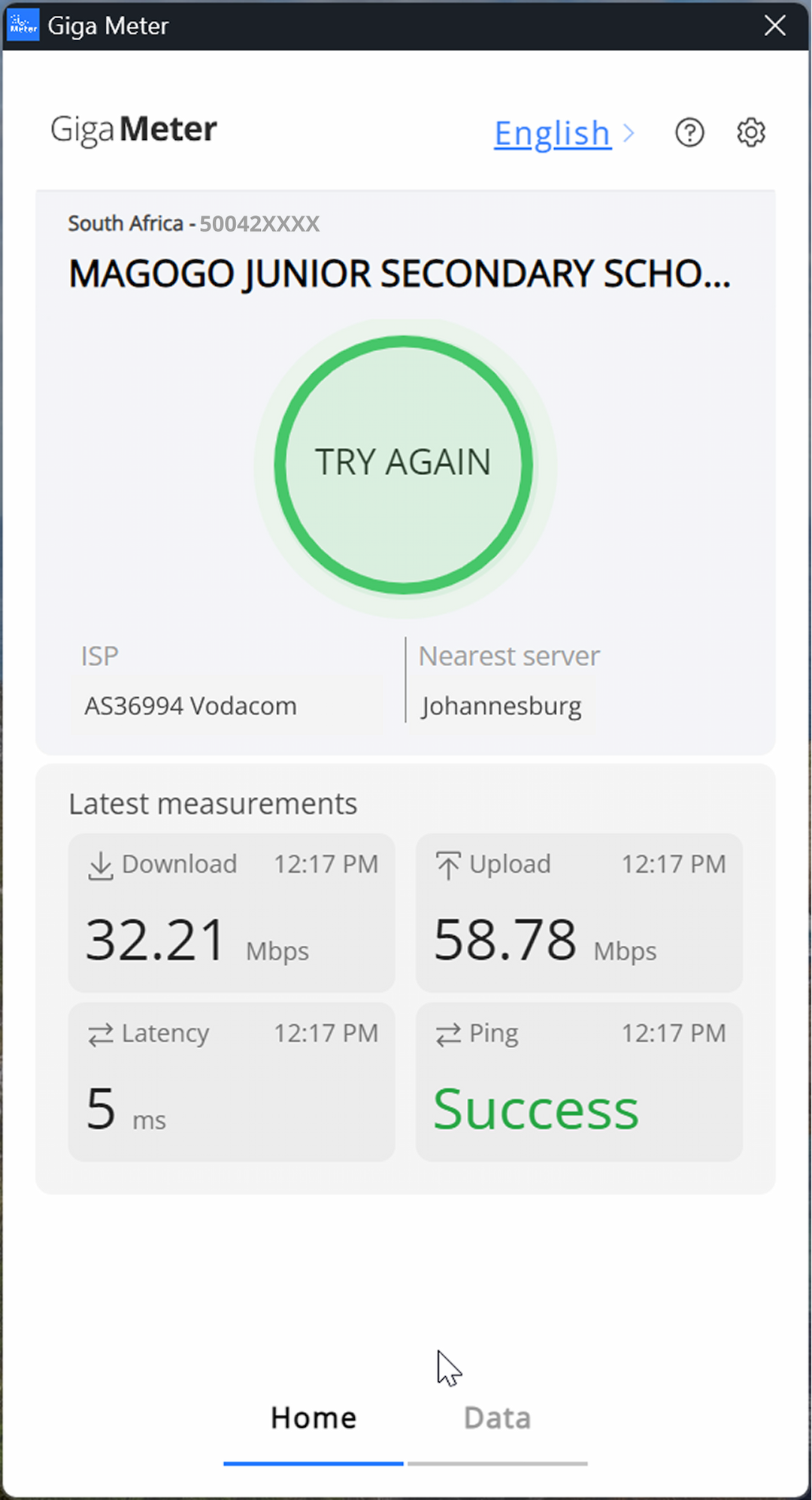
Open the installed Giga Meter and register with your School ID to get started.
FAQs

Donate to Giga
Your contribution directly supports our mission.
Join others in making a difference. Together, we can achieve more.