The fantastically fun social deduction game
Blood on the
Clocktower is still in prototype, expected to release
in early to mid 2022. But some of us can't wait!
Fortunately for eager fans,
the Pandemonium
Institute has announced they are happy for anyone to use
do-it-yourself resources to make the physical game (called a
“Grimoire”, the box loaded up with all components) provided we
don't sell anything and don't use it for automated games.
This is intended to supplement official resources found via the
Blood on the
Clocktower site. I don't consider this to be a print-and-play
suitable game; these are for only some of the game components.
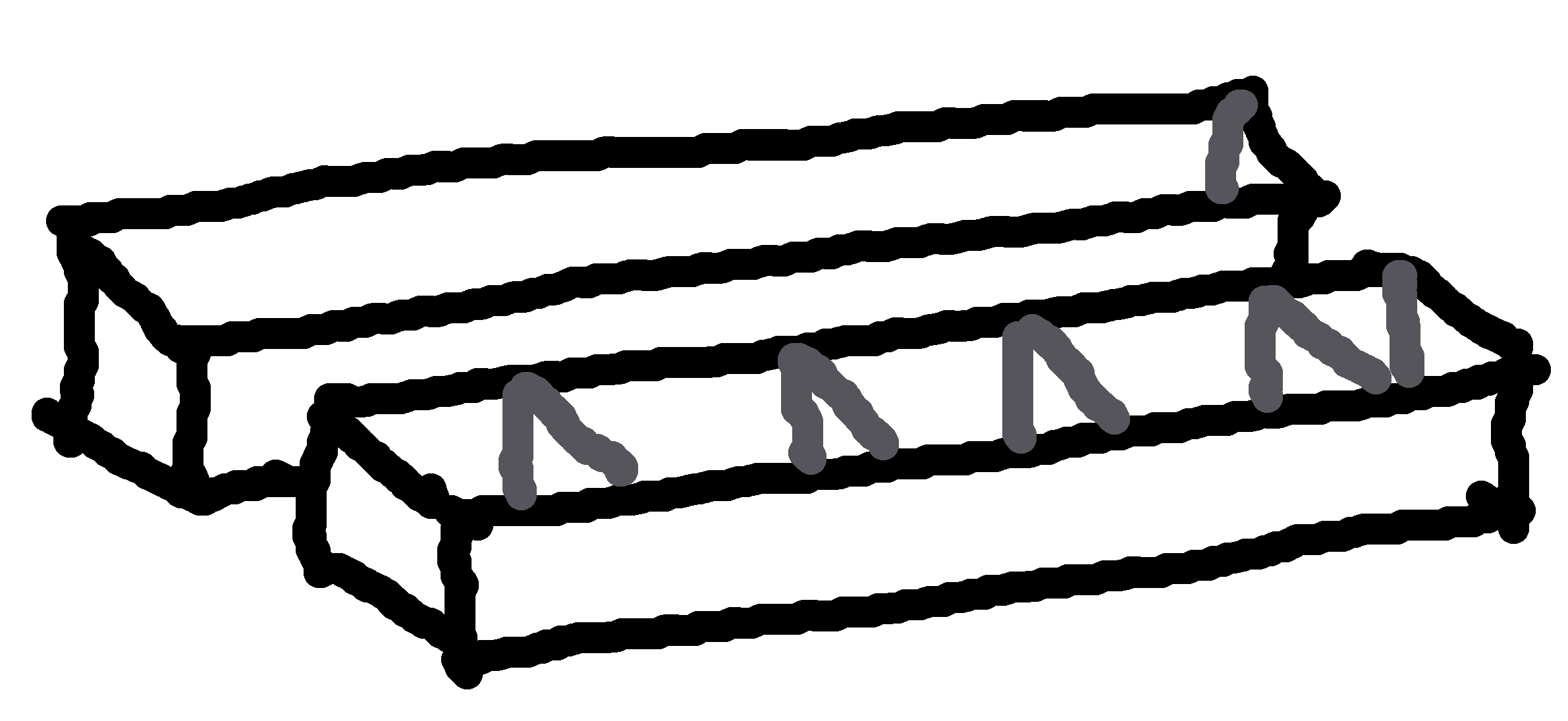
Grimoire box
You'll need a large, sturdy box for the Grimoire. I've
up-cycled an unwanted game that has a good deep rectangular box;
this document is custom shaped to that. Print on single-sided A3
paper, and apply these panels to all exterior surfaces of the
lid and tray. I then cover all that with protective
adhesive-backed transparent film.
There are so many components in this game it is wise to keep
them organised into smaller containers, both for storage and
during play.
Each edition gets a long box for its tokens (character,
marker). There is an extra “Storyteller box” for the general
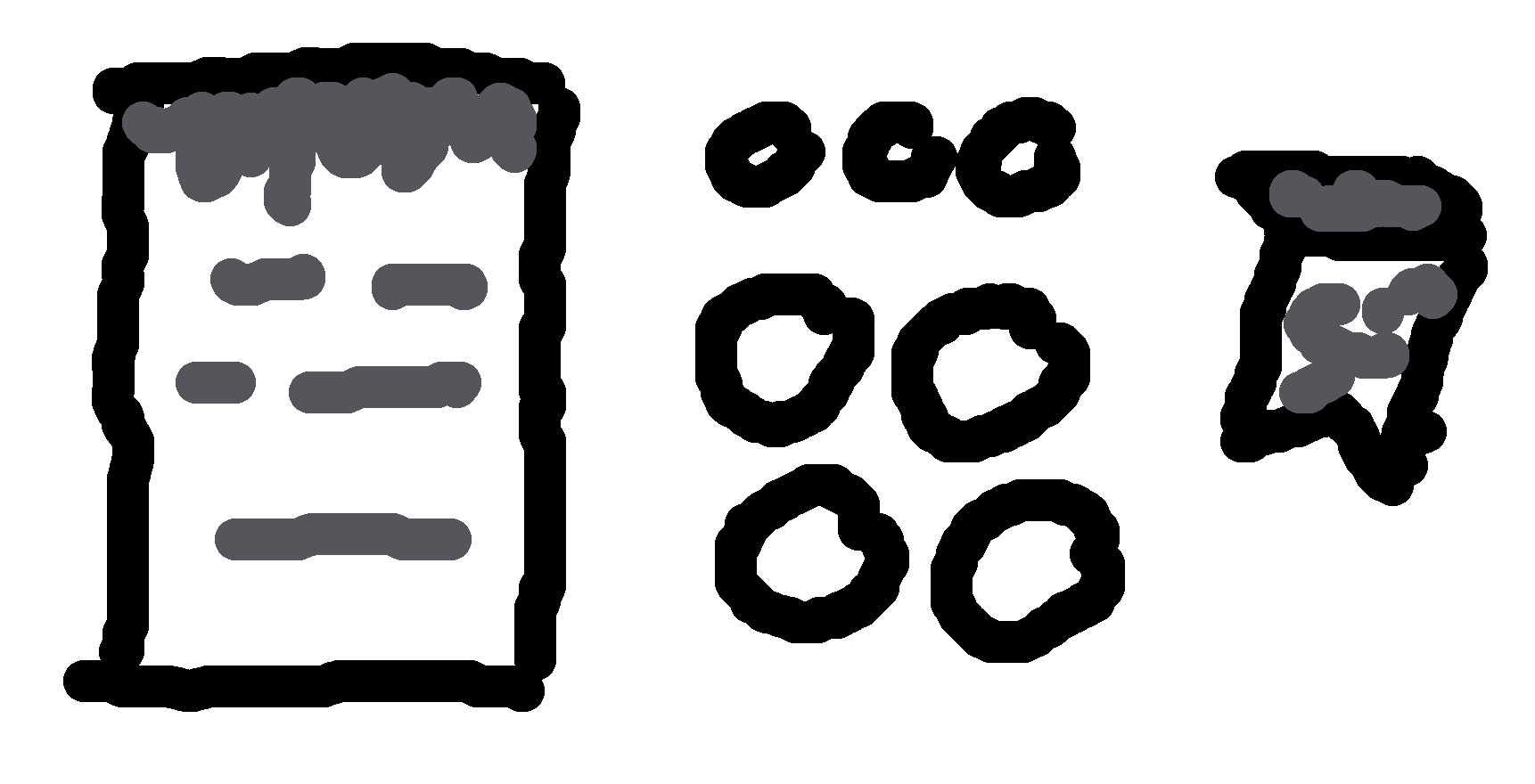
components for Town Square (life token, vote token, name label),
Grimoire (death shroud, information card, reminder token) and
Fabled tokens (character, marker).
Print single-sided onto A3 paper, glue panels to each side of
sturdy card (make sure to line up each side exactly), then cut,
fold, and glue to form the boxes. These are sized to fit inside
my custom Grimoire box.
A set of modular separators divide each long box into sections.
Print the dividers onto thick card, cut and fold, and glue at
the marked positions in the base of each box.
Component boxes
for general components and each base edition (7.8MiB, PDF)
(2020-04-191)
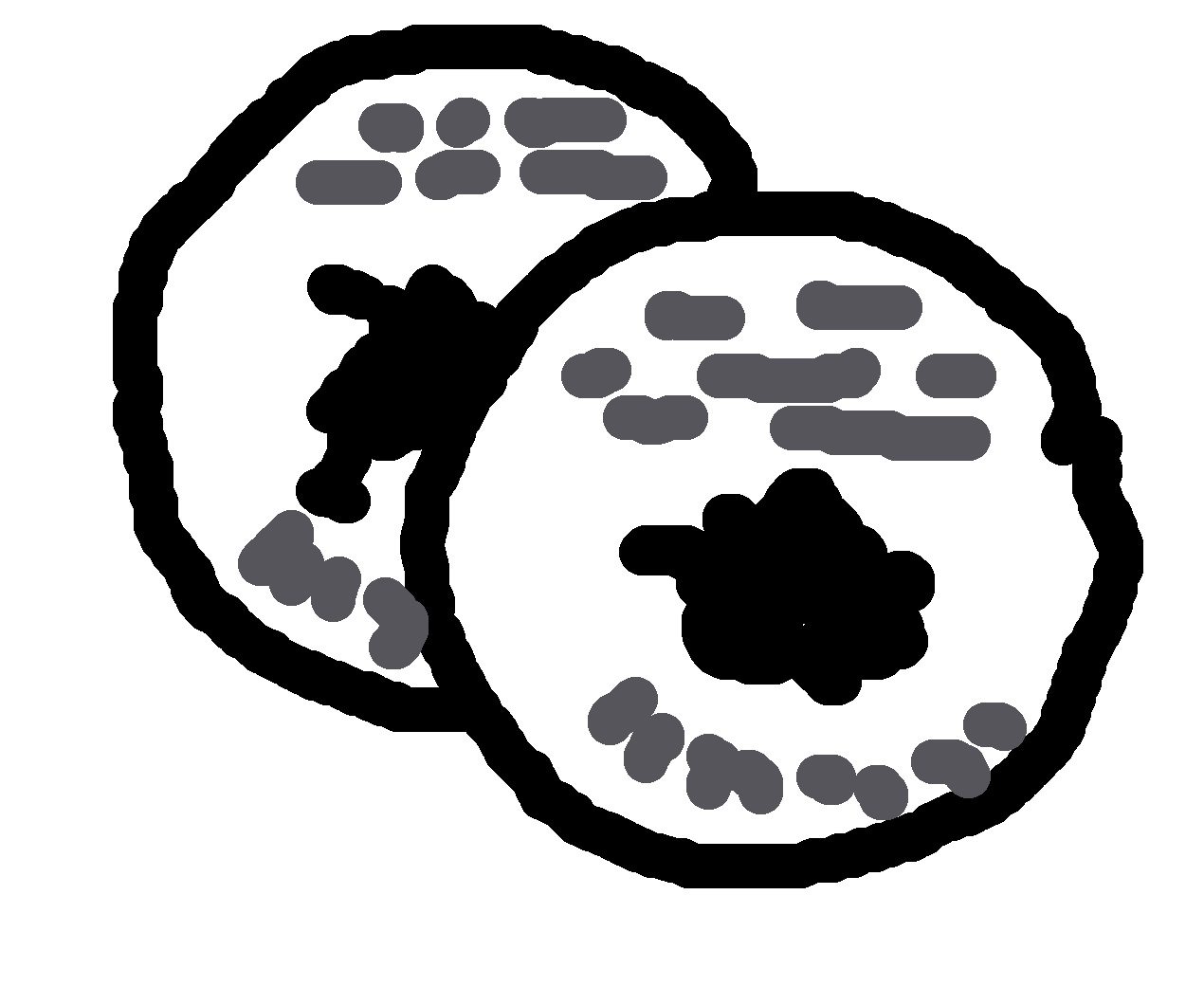
Character tokens
The web images are a good start, but are optimised for display
on a pixel device, not printing to paper. The resolution is low,
there's a useless shadow, the text is blurry, etc.
I've made these high-resolution tokens, rendered the icons, no
shadow, and a more readable font. 47mm diameter tokens. Pages
are A4 size.
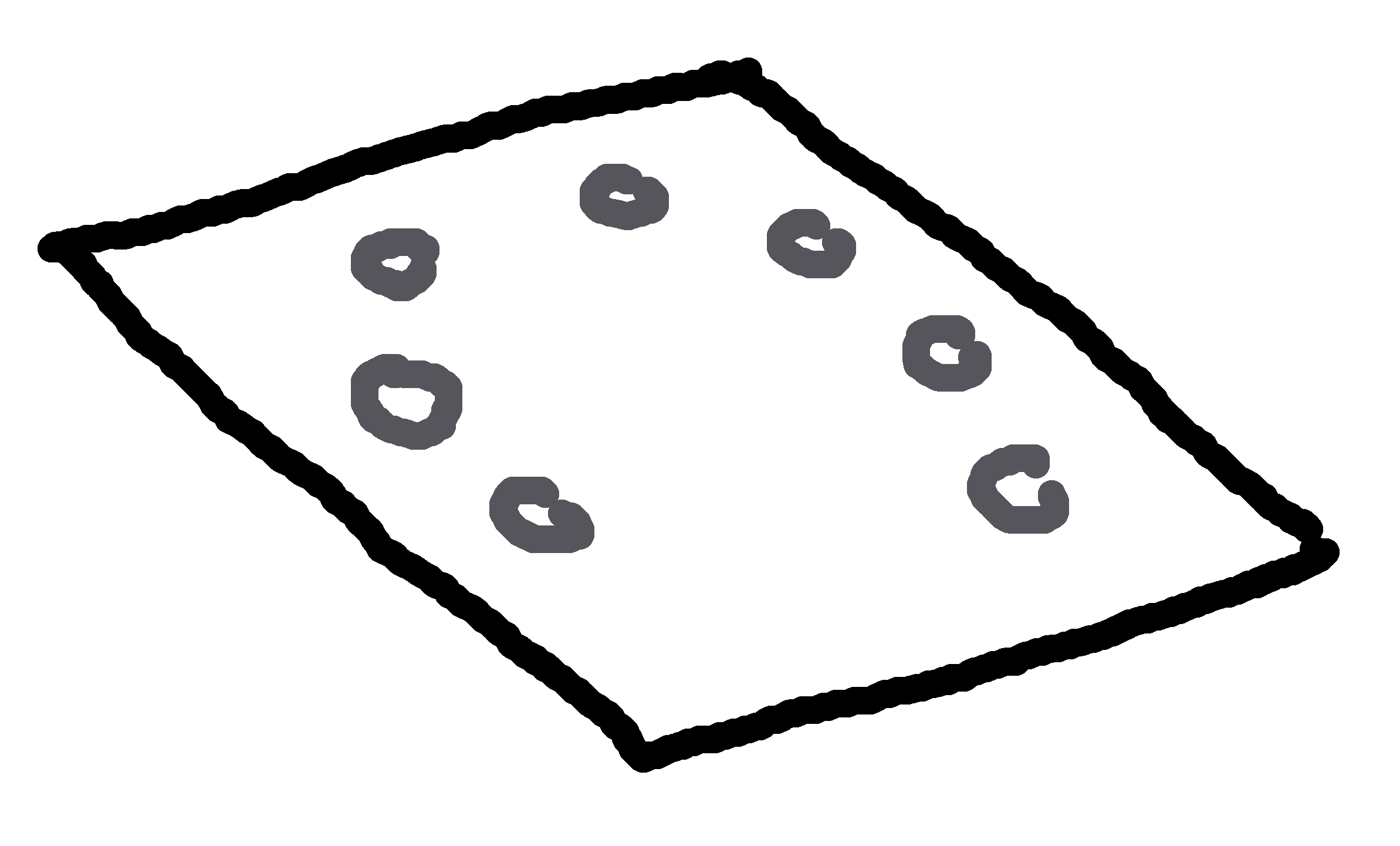
I use a Town Square sized for the specific game board that I
cannibalised; you may find it useful, but you also might want to
re-size it.
The document is designed for a folding two-panel board. The
front panels show the Town Square and a table of Character
Counts for reference during the game. The rear panels show an
overview of the game.
Town Square (19.3MiB, PDF)
Double-sided, 350 × 480mm (two panels, 350 × 240mm) on A3
pages
(2020-07-03)
First-person variant: The Storyteller reads the
explanation aloud to the group. The second page is a
bullet-point checklist of steps to set up the game from the
beginning.
Third-person variant: A delegated assistant player reads
the explanation aloud to the group. The second page is a
reference sheet of Travellers and Character counts, to
display under the Town Square.
When teaching the game these days, I use a rules explanation
that differs in some places. See a detailed discussion
of my custom rules explanation for the game.
Character reference and night sheet
Character reference and night sheet, double-sided in a single
document.
While it is tempting to find free downloads, it is important to respect copyright laws. Many platforms hosting such materials should be checked for legal authorization to distribute the text.
Due to the high demand for this classic text, many enthusiasts look for digital versions.
This comprehensive guide explores the core principles established by John Naka, the structure of his iconic book, and how to apply his timeless techniques to your own bonsai collection. The Legacy of John Naka John Naka Bonsai Techniques 1 Pdf
You can explore this PDF document for an overview of the content, which provides insights into the techniques discussed.
John Naka's Bonsai Techniques I (originally published in 1973) is widely regarded as the "Old Testament" of Western bonsai instruction. It was born out of Naka’s instructional pamphlets for students at the Bonsai Institute of California , evolving into a comprehensive manual that bridged Japanese tradition with Western accessibility. Core Technical Philosophy While it is tempting to find free downloads,
: Due to its out-of-print status, physical copies are highly sought after and can range in price from $120 to over $250 on second-hand markets.
A dramatic style where the apex of the tree drops below the rim of the pot, mimicking a tree growing on a sheer cliffside. Digital Formats and Accessibility It was born out of Naka’s instructional pamphlets
This is the core of the book. Naka introduces the concept of "Sacrifice branches" (branches grown specifically to thicken the trunk, then removed) and "Branch selection." He uses simple line drawings to show how removing two branches on the left and one on the right creates an asymmetrical triangle.
Pruning is the primary tool for controlling growth and creating form. Bonsai Techniques I differentiates between structural pruning (shaping the main skeleton of the tree) and maintenance pruning (pinching back new growth to increase density). Naka provides precise rules for which branches to remove, such as crossing branches, eye-poking branches, and those growing directly upward or downward. 3. The Art of Wiring
: Step-by-step training on basic styles (Formal Upright, Slanting, etc.). Structural Training
John Naka's techniques are not just about creating a miniature tree; they are about connecting with nature and fostering patience and creativity. By studying the , practitioners, both novice and experienced, can build a solid foundation in the art of bonsai, following the footsteps of a true master.
While it is tempting to find free downloads, it is important to respect copyright laws. Many platforms hosting such materials should be checked for legal authorization to distribute the text.
Due to the high demand for this classic text, many enthusiasts look for digital versions.
This comprehensive guide explores the core principles established by John Naka, the structure of his iconic book, and how to apply his timeless techniques to your own bonsai collection. The Legacy of John Naka
You can explore this PDF document for an overview of the content, which provides insights into the techniques discussed.
John Naka's Bonsai Techniques I (originally published in 1973) is widely regarded as the "Old Testament" of Western bonsai instruction. It was born out of Naka’s instructional pamphlets for students at the Bonsai Institute of California , evolving into a comprehensive manual that bridged Japanese tradition with Western accessibility. Core Technical Philosophy
: Due to its out-of-print status, physical copies are highly sought after and can range in price from $120 to over $250 on second-hand markets.
A dramatic style where the apex of the tree drops below the rim of the pot, mimicking a tree growing on a sheer cliffside. Digital Formats and Accessibility
This is the core of the book. Naka introduces the concept of "Sacrifice branches" (branches grown specifically to thicken the trunk, then removed) and "Branch selection." He uses simple line drawings to show how removing two branches on the left and one on the right creates an asymmetrical triangle.
Pruning is the primary tool for controlling growth and creating form. Bonsai Techniques I differentiates between structural pruning (shaping the main skeleton of the tree) and maintenance pruning (pinching back new growth to increase density). Naka provides precise rules for which branches to remove, such as crossing branches, eye-poking branches, and those growing directly upward or downward. 3. The Art of Wiring
: Step-by-step training on basic styles (Formal Upright, Slanting, etc.). Structural Training
John Naka's techniques are not just about creating a miniature tree; they are about connecting with nature and fostering patience and creativity. By studying the , practitioners, both novice and experienced, can build a solid foundation in the art of bonsai, following the footsteps of a true master.