vs
AWOL and A Real Mama’s Boy: The Unlikely Deserter of 1973
Some viewers compare the early boot camp scenes to a low-budget precursor of the dehumanizing training later popularized in films like Full Metal Jacket Letterboxd Key Details AWOL (1973) - IMDb
Clocking in at a concise 55 minutes, the film is a fascinating time capsule of low-budget 70s exploitation art, blending anti-military sentiment, extreme Freudian themes, and dark counterculture humor. The Plot: A Taboo-Busting Narrative
AWOL: A Real Mamas Boy is a —imperfect, passionate, and authentic. Its blend of heavy grooves and sharp social observation makes it more than a collector’s oddity. The title track, in particular, subverts a common insult into a story of strength and vulnerability. For fans of obscure funk, The Ohio Players, or early Parliament-Funkadelic, this album is a rewarding deep listen. awol a real mamas boy 1973
This public link is valid for 7 days and shares a thread, including any personal information you added. This link or copies made by others cannot be deleted. If you share with third parties, their policies apply. Can’t copy the link right now. Try again later. AWOL (1973) - IMDb
The Army didn’t exactly scramble jets. It was 1973. The draft was dead. Morale was in the toilet. Desertion rates had spiked to their highest levels since World War II. Officers were tired. Clerks misfiled paperwork. One missing mama’s boy from Pennsylvania barely registered.
In 1973, Spinelli was still refining his craft. AWOL represents his early experimentation with narrative formatting. Later in his career, Spinelli would go on to win multiple AVN Awards and direct some of the biggest blockbusters of the golden age of adult cinema, such as Nothing to Hide (1981). AWOL stands as a raw, unpolished stepping stone in his filmography, showing his early willingness to lean into uncomfortable, Freudian psychological themes. AWOL and A Real Mama’s Boy: The Unlikely
Before the advent of widespread home VCRs, niche exploitation films relied entirely on independent "grindhouse" theaters and drive-ins. These venues thrived on shock value, boundary-pushing content, and sensationalized marketing taglines to draw crowds.
: The main billing features Pat Arno , Ann Finn , and Art Gill . Like many underground performers of the 1970s, their filmographies remain deeply tied to the ephemeral, grindhouse theater circuits of New York and Los Angeles. Historical Context: Vietnam and Counterculture Subversion
"AWOL: A Real Mama's Boy" is a phrase that, in the context of 1973, evokes a specific, often misunderstood, image of young men departing the traditional path, frequently framed within the psychological and social dynamics of a mother-son relationship. The title track, in particular, subverts a common
The juxtaposition is explosive: . This was not a celebration of heroism. It was an autopsy of failed manhood.
The year 1973 was a watershed moment for underground and adult cinema. Sandwiched between the mainstream explosion of Deep Throat (1972) and the narrative ambitions of The Opening of Misty Beethoven (1976), the early 1970s birthed an era known as "porno chic." During this brief window, adult films were not just backroom commodities; they were reviewed in major publications, screened in mainstream theaters, and treated as experimental, avant-garde counterculture art.
: The core of the narrative unfolds when he reunites with his overbearing, fiercely protective, and deeply jealous mother.
For fans of bizarre cinema, director Anthony Spinelli, or the strange underbelly of 1970s filmmaking, AWOL is a title that lives up to its shocking reputation. It remains, as one reviewer put it, a film that "burns into your brain". It is weird, wild, and utterly unforgettable—the perfect encapsulation of an era when adult films dared to be more than just sex scenes, even when the subject matter went wildly off the rails.
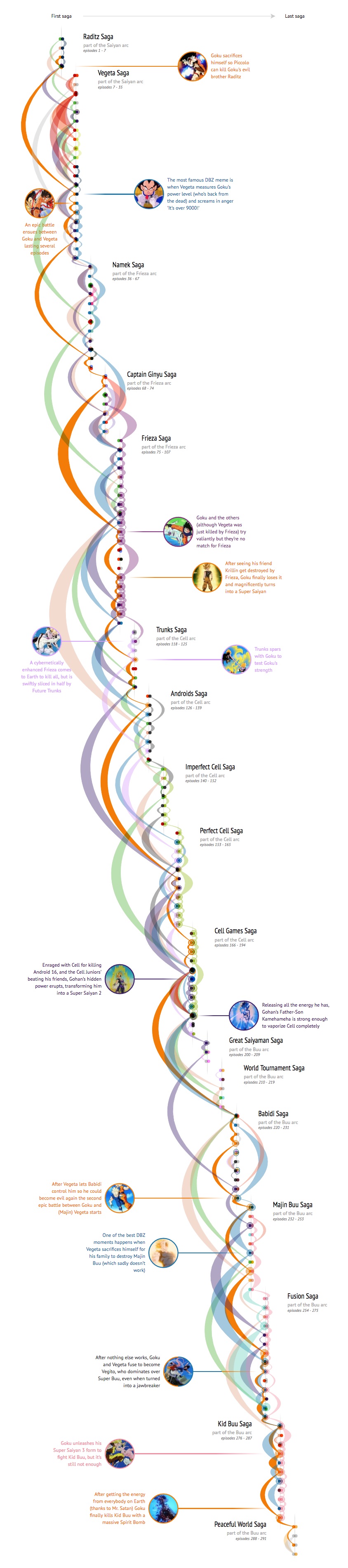
Extra interactivity on desktop The visual above is just an image, but on a large screen you see the full interactive and get the option to hover over each of the fights and character paths to see extra information about the fight; who was fighting whom, what was special about the fight and in what other battles did these characters fight.

Check it out behind your laptop / desktop as well for an even more detailed look into all fights that happened in Dragon Ball Z.
The fight info was taken from the Dragon Ball Wikia pages for each saga. For relevance, a few fights were taken out of the above visual; the Garlic Jr. and Other World Tournament filler sagas were completely removed. Also the ±5 fights that happened in the anime only and didn't feature any of the Z fighters, happened in a nightmare or flashback were taken out.
Created by Nadieh Bremer | Visual Cinnamon
Data from the very extensive Dragon Ball Wikia | Read about the design process in this blog